

Mediterranean Youth Academy MYA
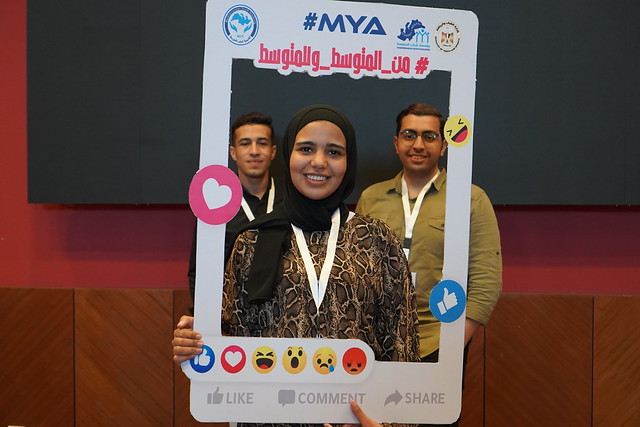
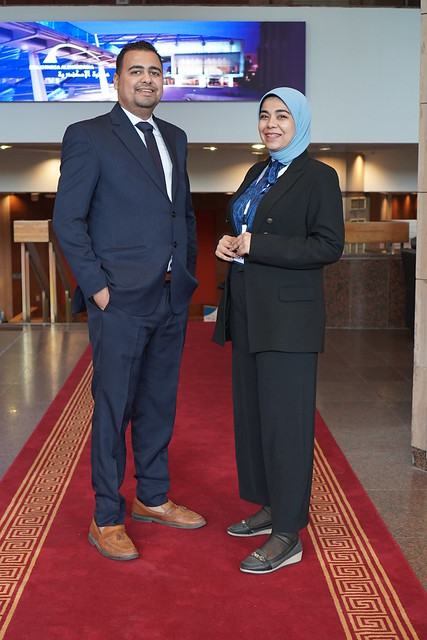
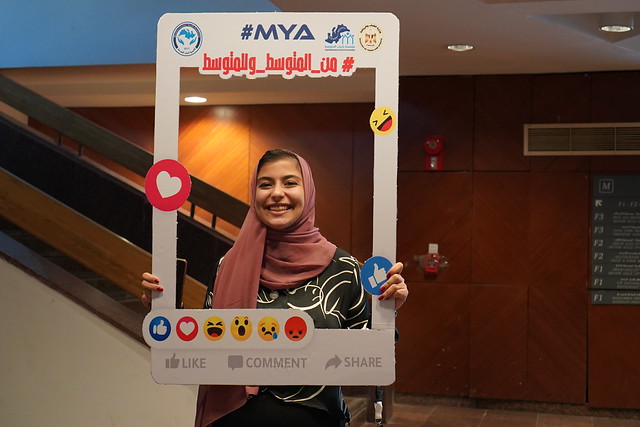
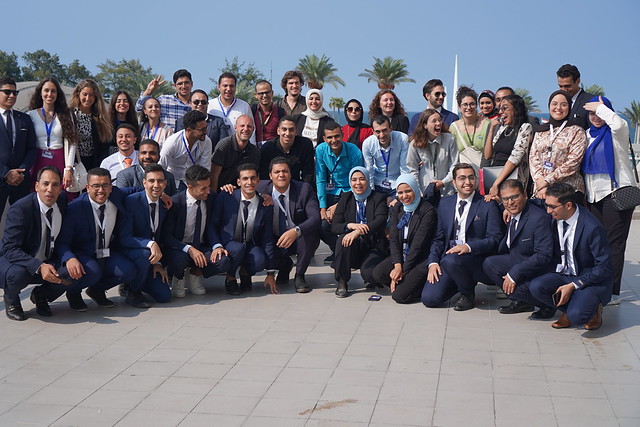
editions
First Edition
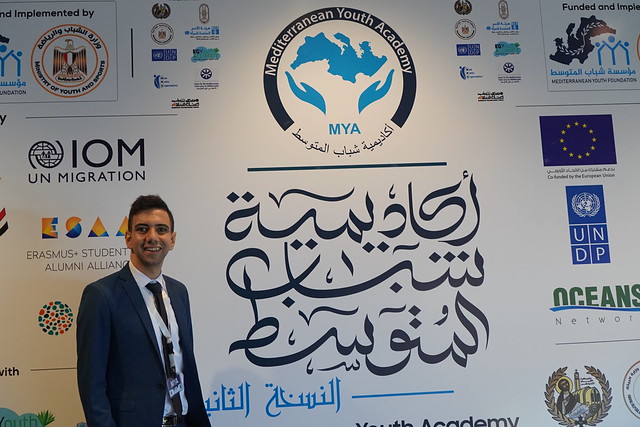
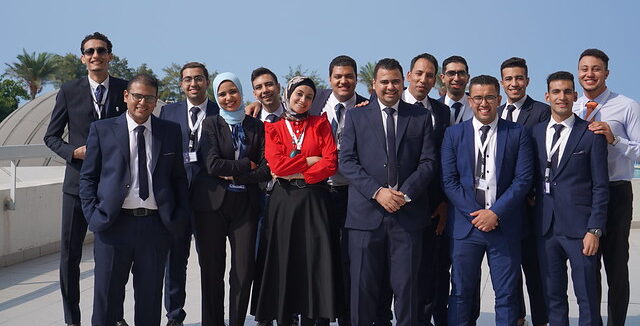
The “Mediterranean Youth Academy” project was an initiative launched under the patronage of Dr. Ashraf Sobhy, Minister of Youth and Sports, in collaboration with the Central Administration of Parliament and Civic Education – Youth Leadership Department, and the Mediterranean Youth Foundation for Development. This project aimed to bridge the connection between Arab youth and the Mediterranean countries, which span three continents: Europe, Asia, and Africa. In Europe, 13 countries border the Mediterranean Sea, including Spain, France, and Greece. The Asian countries include Palestine, Syria, Lebanon, and Cyprus, while in Africa, Egypt, Morocco, Algeria, Libya, and Tunisia were among the relevant nations.
The Academy planned to train and qualify 80 young individuals in its initial stage through a one-week program designed to raise awareness about the Mediterranean’s regional issues and the various challenges faced by these countries. The program emphasized the importance of involving youth in addressing these challenges through knowledge and skill development, thereby fostering a sense of responsibility and agency among participants in their respective communities.
Objectives
Introducing Mediterranean issues such as climate change, gender equality, irregular migration, and extremism. Getting to know the successful experiences of some Mediterranean countries in various fields. Establishing a Mediterranean base, having Egypt as its headquarter, to network among the youth of the Mediterranean countries. Opening horizons for a youth discussion to offer innovative solutions to the issues of the Mediterranean and the role of the Egyptian youth in doing so.
- The number of participants: 80 males and females.
- Location: The Olympic Center in Maadi.
- Date: From 26 August to 1 September 2021.
Second Edition
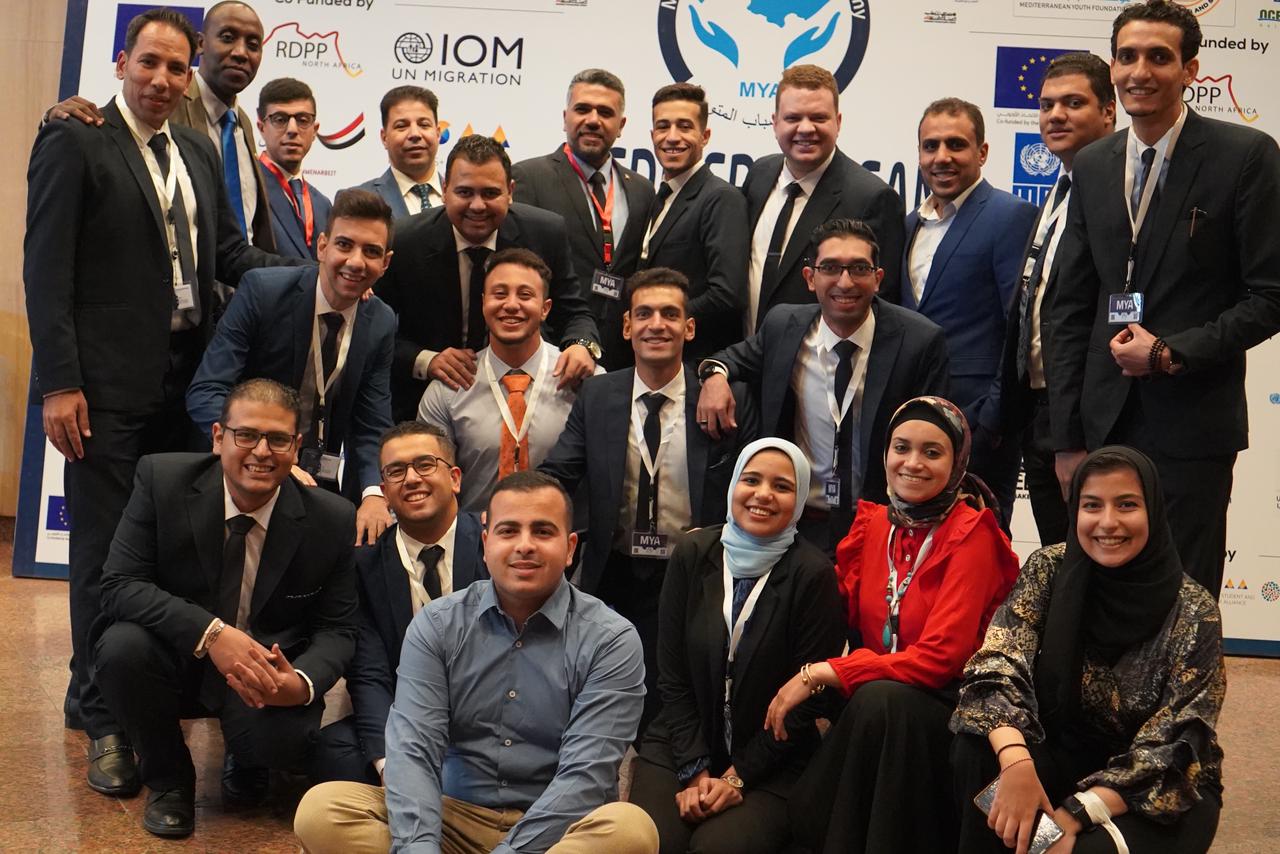
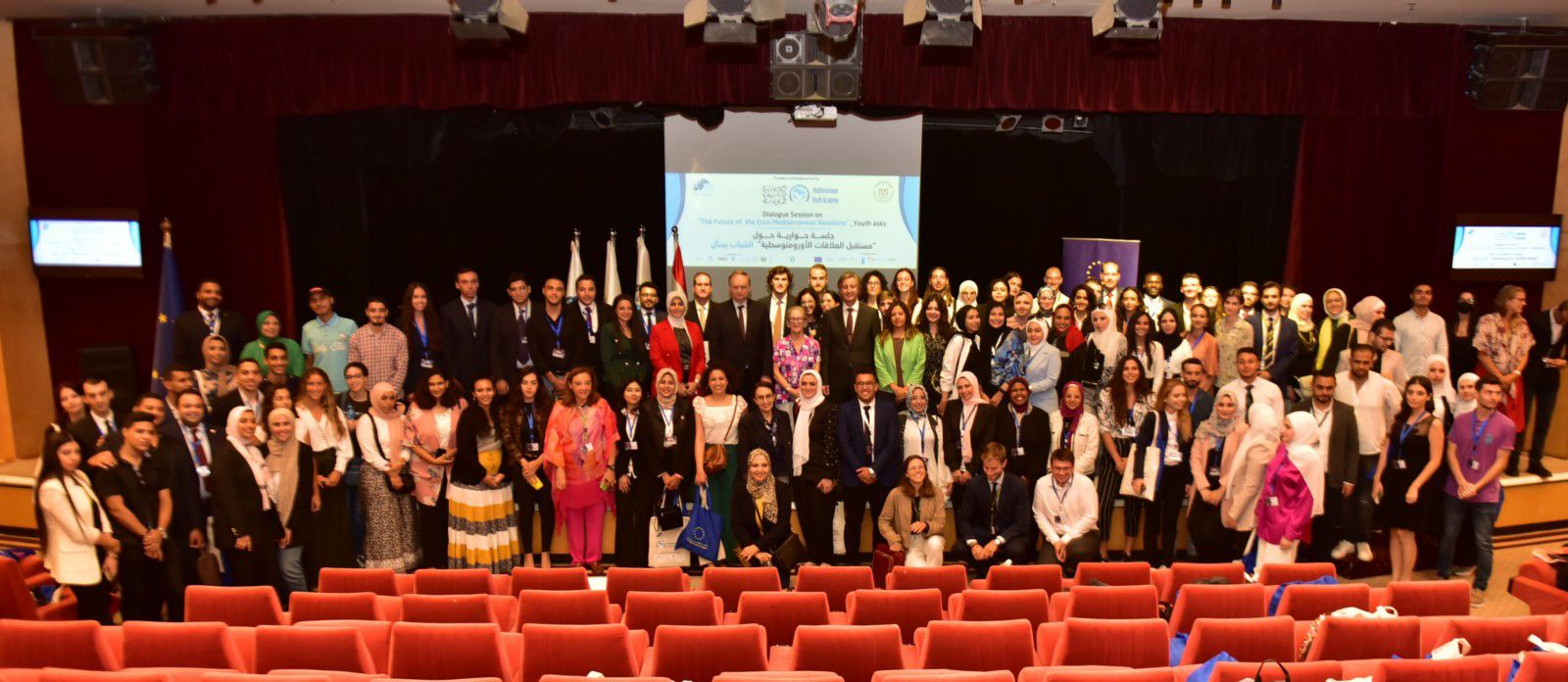
Under the patronage of the Egyptian Prime Minister, Prof. Mostafa Madbouly, the Mediterranean Youth Foundation for Development, with the support of the Ministry of Youth and Sports in Egypt headed by Prof. Dr. Ashraf Sobhy, Minister of Youth and Sports, launched the second edition of the “Mediterranean Youth Academy” project, in partnership with civil, governmental and international organizations, through the Central Administration of Parliament and Civic Education, moreover the General Administration of Civic Education for Youth Leaders moreover the Central Administration for the Affairs of the Minister’s Office, General Administration of Public as well Foreign Relations.
Program Goals for the second edition focused on several key topics including Human Rights, Entrepreneurship and Youth Employment, Youth Empowerment and Facilitating Mobility, Mediterranean National Security, and Climate Change. Building upon the foundation laid in the first edition, this iteration will highlight 13 youth initiatives that have been successfully implemented.
Additionally, the program aimed to identify successful experiences from various Mediterranean countries and explore how these can be adapted and applied within the Arab Republic of Egypt. A significant goal was to establish a Mediterranean youth network based in Egypt, which will facilitate networking among youth across Mediterranean countries.
Moreover, the initiative sought to create platforms for youth discussion that foster innovative solutions to pressing Mediterranean issues, emphasizing the crucial role that young people play in addressing these challenges.
Partners in implementing the program include
- Holy Azhar, who contributed through a representative discussing the Document on Human Fraternity and facilitated youth engagement with the Grand Imam.
- The Egyptian Church also delegated representatives to address human brotherhood and organized a meeting with the Pope.
- UN Women focused on gender equality and provided a handbook for participants.
- The European Union discussed irregular migration and offered informational materials.
- The Ministry of Environment addressed environmental challenges and hosted discussions with the Minister.
- Ambassadors from Cyprus, Greece, Italy, France, and Spain participated in a session on Mediterranean cooperation.
- The Union for the Mediterranean facilitated political accreditation and speaker nominations, while the Arab Academy for Science, Technology and Maritime Transport provided logistical support.
Third Edition
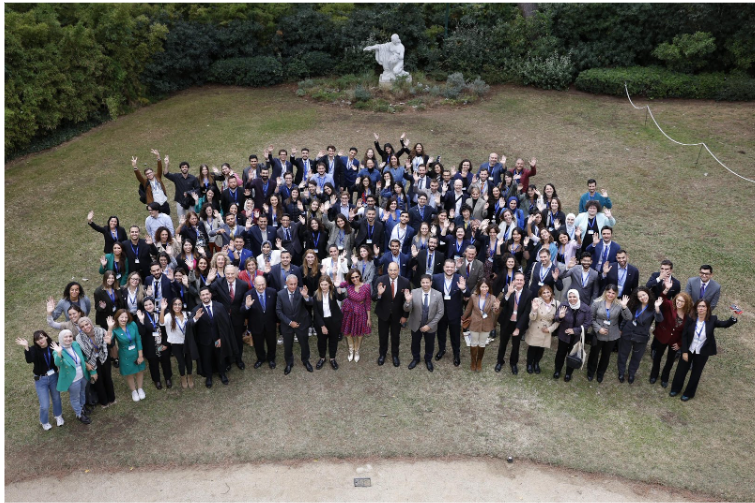
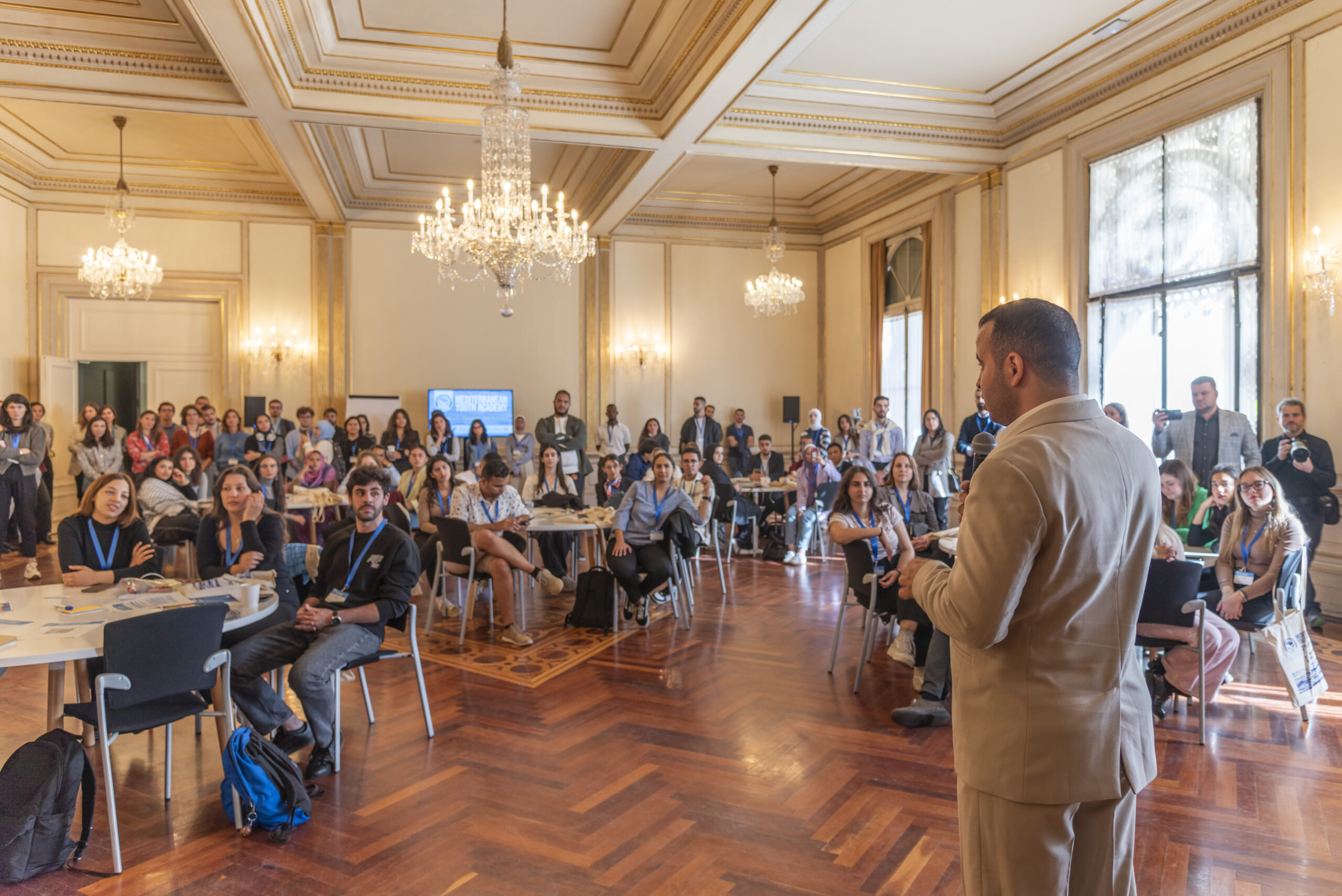
The 3rd edition of MYA involved around 100 young individuals from 20 Euro-Mediterranean countries in a 4-day training event held in Barcelona from November 5th to 10th, 2023. Co-organized by UfM and MYF, with support from GIZ, the initiative focused on climate change, youth employment, and social inclusion. Participants engaged in panels and workshops, proposing key policy recommendations, and launching the “Tomorrow’s Leaders Begin Today” report. The MYA aims to enhance youth participation in decision-making, build capacity to address global challenges, empower youth for Mediterranean initiatives, facilitate dialogue with decision makers, and contribute to a skill-building guidebook for the region.
General MYA Objectives:
- Enhance youth participation in decision-making and policy processes.
- Build youth capacity to face global challenges and contribute to SDGs.
- Empower young men and women to launch initiatives linked to Mediterranean issues.
- Open a dialogue platform between youth and decision makers for sustainable solutions.
- Contribute to the “Initiatives for the Mediterranean” guidebook as a skill-building tool.
Methodology
The cluster mixed informative sessions and interactive working groups, starting by exploring the topics of labor market policies and services specific to the Mediterranean region and the challenges of starting a career as a young person, followed by understanding the concept of VET and its benefits for youth and presenting some case studies of successful VET graduates and concluded by discovering the multifaceted landscape that migrants face in the Mediterranean region, taking into account demographic disparities in some countries and economic and labor market challenges across the entire region.
Fourth Edition
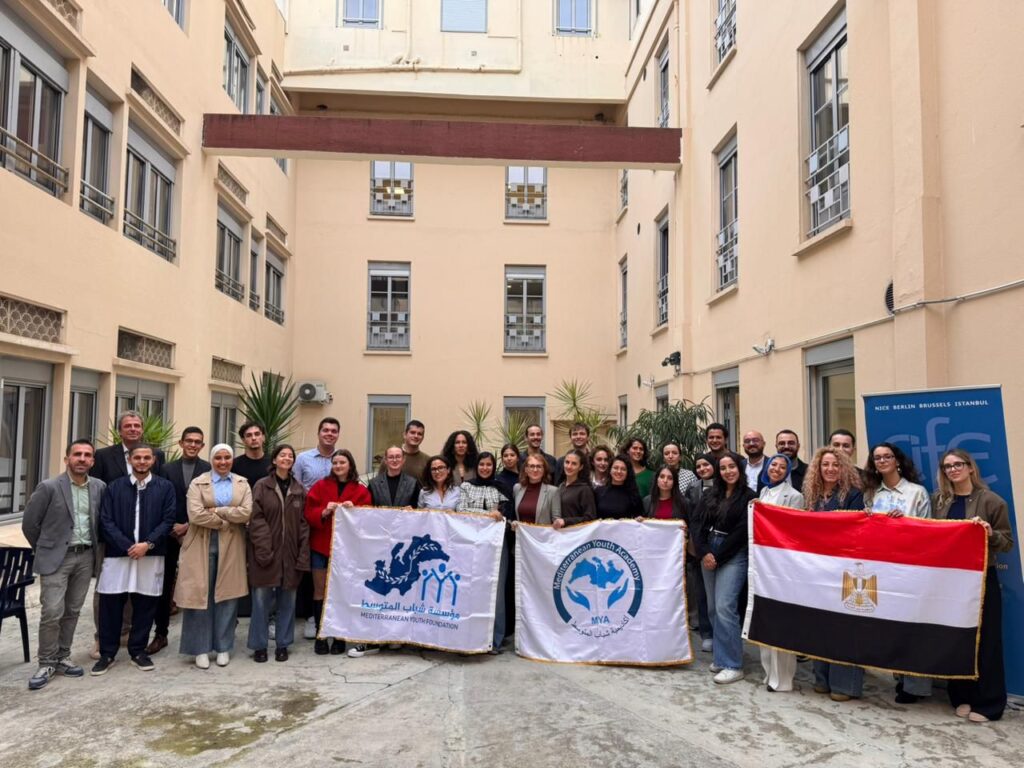
The fourth edition of the Mediterranean Youth Academy (MYA) took place from November 13 to 17, 2025, in Nice, France, aligning with the 10th anniversary of the Master’s in Mediterranean Studies. Building on prior editions in Egypt and Spain, it aimed to empower 70-80 young leaders through a four-day training program focusing on climate action, gender equality, and youth employment. With support from key organizations, the MYA fostered dialogue and skill-building among participants to strengthen their roles as agents of change in tackling Euro-Mediterranean challenges. The event highlighted the urgency of addressing interconnected issues through inclusive and sustainable growth, establishing the MYA as a vital platform for youth engagement in the region.
The MYA 4th Edition focused on thematic clusters aligned with Euro-Mediterranean priorities and the UfM Youth Strategy 2030, addressing climate action, gender equity, and youth employment.
Thematic Cluster 1: Climate Action & Justice
– Component 1: Loss and Damage Mechanisms include funding for vulnerable communities facing climate impacts.
– Component 2: Just Energy Transition promotes renewable energy access and green job capacity for underrepresented groups.
– Component 3: Carbon Markets and Climate Finance Innovations investigate carbon trading mechanisms and optimize access to global climate funds.
Thematic Cluster 2: Gender Equity & Transformation
– Component 1: Tackling Structural Discrimination targets biases in laws and policies, advocating for gender-responsive budgeting and leadership roles.
– Component 2: Challenging Gender Stereotypes addresses cultural narratives that perpetuate gender norms and promotes intercultural dialogue.
– Component 3: Advancing Gender & Social Inclusion focuses on inclusive policies that consider intersecting challenges faced by marginalized women and communities.
Thematic Cluster 3: Youth Employment & Entrepreneurship
– Component 1: AI-Powered Vocational Training integrates technology into skill development for high-demand sectors.
– Component 2: Smart Entrepreneurship encourages innovation-driven business creation using digital tools.
– Component 3: Entrepreneurship and Market Readiness equip youth with skills and opportunities for success in the evolving global economy.
Results and outputs for the 4th edition of the MYA included training for 70-80 young people on critical Mediterranean issues such as climate action and justice, gender equity, and youth employment. Additionally, 2-3 youth-oriented initiatives or policy papers were developed through a bottom-up approach, addressing concerns relevant to the UfM and other stakeholders in the Euro-Mediterranean region. Lastly, MYF compiled a final report summarizing the recommendations and initiatives proposed during the event.
Fifth Edition
Title: | Mediterranean Youth Academy (MYA) |
Proposed date for implementation | October 16 – 20, 2026 (Including travel days) |
Version/edition (If applicable) | Fifth edition |
Name of Promoter(s) (specify lead promoter in case of consortium): | Mediterranean Youth Foundation for Development – MYF (lead), Euro-Mediterranean University (Host) |
Geographical scope (regional/sub-regional/transnational): | Euro-Mediterranean |
Location (where the activities will take place): | Euro-Mediterranean University Campus – Koper, Slovenia |
Call for Applicants (dd/mm/yyyy):
| 7 April – 31 May 2026 |
Project duration (in months): | 14 M (March 2026: launch of the call for application – May 2027 (Report) |
Project Brief:
The fifth edition of MYA will build on the experiences gained from the previous four editions held in Cairo and Alexandria, Egypt, Barcelona-Spain and Nice-France under the patronage of the Egyptian Prime Minister, in collaboration with the Ministry of Youth and Sports of Egypt, the Union for the
Mediterranean (UfM), Deutsche Gesellschaft für Internationale Zusammenarbeitand (GIZ), Anna Lindh Foundation, European Institute of the Mediterranean (IEMed) International Organization for Migration (IOM), The United Nations Development Programme (UNDP), Centre International de Formation Européenne – Cife, Interreg NEXT MED and many international and regional partners in line with the Academy’s long-term strategy, which aims to organize the event in a different country each year.
Previous editions of the MYA have garnered significant recognition for its impact on empowering youth. It focused on climate action, gender equality, social inclusion, human rights, human fraternity, youth employment, youth entrepreneurship and migration, and brought together participants to foster dialogue and skill-building in these critical areas. The 5th edition will continue to build on this legacy, providing a platform for young leaders to develop solutions, share experiences, and strengthen their role as agents of change in the Euro-Mediterranean region.
This edition of the Mediterranean Youth Academy – MYA seeks to qualify and prepare at least 40 – 60 young people from the Euro-Mediterranean countries through a four-day training program, aimed at promoting awareness and involving youth in the response to Euro-Mediterranean issues and challenges: specifically, climate change, gender inequality, AI and youth unemployment.
The 5th edition of the MYA will be hosted by Euro-Mediterranean University – EMUNI from the 16th to the 20th of October 2026 (Including travel days) in Koper, Slovenia. This edition will specifically focus on three thematic clusters: namely, climate Action & accountability, gender equity & agency, and AI, skills & the future of youth work.
During the workshops, the young participants will be stimulated to identify key policy recommendations linked to the 3 thematic clusters and to propose initiatives that are relevant for youth in the Euro-Mediterranean region. As a follow-up to participants, the MYF will also update a draft of the “Initiatives for the Mediterranean” guidebook that will provide insights on how youth-led initiatives can contribute to addressing issues widely felt in the Euro-Mediterranean region and discussed during the MYA.
The target audience of the 5th edition of the MYA is composed of ca. 40 – 60 young people from the Euro-Mediterranean region aged between 18 and 29 years old, selected through a call for applications. Particular attention will be given to the selection of vulnerable and marginalized groups, in terms of gender and geographical representation.
MYA aligns with the broader goals of empowering young people in the Euro-Mediterranean region by providing them with the tools and networks necessary to address challenges and drive sustainable development. Through the MYA, participants will benefit from workshops, interactive discussions, and capacity-building sessions designed to equip them with practical skills and foster cross-regional collaboration. The program’s focus on climate change, gender equity, youth employment and entrepreneurship reflects the urgent need to address these interconnected issues while promoting inclusive and sustainable growth.
As the MYA grows in scope and impact, it continues to establish itself as a vital platform for fostering youth leadership and engagement across the Euro-Mediterranean region.
Project Description:
The fifth edition of the MYA aims to:
- Qualify and prepare at least 40 – 60 young people from the Euro-Mediterranean region through a four-day training program, aimed at promoting awareness and involving youth in the response to Mediterranean issues and challenges: specifically, climate Action & accountability, gender equity & agency, and AI, skills & the future of youth work.
- Engage 40 – 60 young participants in proposing recommendations to policymakers on the key topics that will be discussed during the workshops, as well as in proposing relevant initiatives to possibly be implemented in the Mediterranean region.
- Contribute to the “Initiatives for the Mediterranean” guidebook to be produced by MYF. The guidebook will provide insights on how youth-led initiatives can contribute to addressing issues widely felt in the Euro-Mediterranean region and discussed during the MYA.
General MYA Objectives:
- Position young people as active contributors to policy influence and agenda-setting in climate action, gender equity, and the future of work within the Euro-Mediterranean region, moving beyond participation toward meaningful engagement in decision-making processes.
- Strengthen youth capacities to navigate and respond to structural global transformations, including climate change, digitalization and artificial intelligence, gender inequality, and socio-economic precarity, through context-sensitive, future-oriented learning pathways.
- Contribute to the advancement and localization of the Sustainable Development Goals, particularly SDGs 4, 5, 6, 8, 10, 13, 16, and 17, by translating global frameworks into regionally grounded youth-led actions and policy-relevant outputs.
- Empower young people to design, lead, and scale national and regional initiatives addressing Mediterranean challenges, by linking skills development with practical implementation, innovation, and access to networks and resources.
- Create a structured dialogue and co-creation platform between youth and decision-makers, fostering evidence-based discussions, innovative solutions, and actionable recommendations that respond to the region’s most pressing social, environmental, and economic issues.
- Establish MYA as a knowledge and resource hub for youth-led initiatives in the Mediterranean, through the development and publication of the “Initiatives for the Mediterranean” guidebook, providing practical tools, methodologies, and inspiration for youth organizations and emerging leaders across the Euro-Mediterranean space.
Expected Results and Outputs:
The 5th edition of the MYA, expected outputs include the following figures:
- At least 40 – 60 young people trained on critical Mediterranean issues: specifically, climate Action & accountability, gender equity & agency, and AI, skills & the future of youth work.
- 1-2 youth-related initiatives/policy papers formulated through a bottom-up approach that focus on issues relevant for the UfM as well as other MYA stakeholders in the Euro-Mediterranean region.
- A final report of the event will be drafted by MYF, gathering the proposed recommendations and youth-related initiatives.
MYA 5th Edition Clusters and Components:
The thematic clusters that will be specifically addressed during the fifth edition of the MYA are fully in line with the Euro – Mediterranean priorities and the UfM Youth Strategy 2030. Each of them encompasses specific components that tackle relevant sub-topics, such as:
- Thematic cluster 1: Climate Action & Accountability:
This thematic cluster focuses on closing the gap between climate ambition and real-world delivery. It addresses climate change as a governance, localization, and finance challenge, emphasizing practical implementation, community-level action, and accountability. The cluster aims to position youth, local authorities, and civil society as key actors in translating COP outcomes into measurable, inclusive, and sustainable climate solutions across the Mediterranean.
It includes the following components:
Component 1: Climate Delivery Gaps
- This component addresses the growing recognition that climate action in the Euro-Mediterranean region is constrained not by ambition, but by governance and implementation gaps. It focuses on strengthening coordination between national frameworks and local actors, improving delivery mechanisms, and enhancing accountability for climate commitments.
- The component explores practical tools for monitoring implementation, aligning policies with local needs, and ensuring that climate strategies produce tangible outcomes for communities most affected by climate impacts.
Component 2: Local Responses to Climate Impacts
- This component responds to the increasing localization of climate impacts in the Mediterranean, particularly in coastal cities, rural areas, and climate vulnerable communities. It focuses on community-based adaptation and practical approaches to addressing both economic and non-economic loss and damage.
- The component explores locally driven responses, municipal adaptation strategies, and regional cooperation mechanisms that enable timely, inclusive, and context-specific support, ensuring that loss and damage responses reflect lived realities on the ground.
Component 3: Making Climate Finance Count
- This component addresses the shift in climate finance debates from mobilization to impact and accountability. It focuses on improving access to climate finance for youth-led initiatives, local authorities, and civil society actors, while strengthening transparency and measurable outcomes.
- The component examines climate finance instruments, carbon markets implementation, and innovative tracking tools that ensure financial flows translate into concrete adaptation and mitigation results at the local and regional level.
- Thematic Cluster 2: Gender Equity & Agency
This thematic cluster examines how digital spaces, intersecting identities, and conflict-related dynamics are reshaping women’s rights, participation, and security. The cluster addresses gender inequality as a multidimensional challenge produced at the intersection of technology, power, displacement, and governance, while highlighting both the risks and transformative opportunities facing women across the Mediterranean today. It includes the following components:
Component 1: Gender Equality in Digital Spaces
- This component focuses on the growing role of digital spaces in shaping gender equality outcomes. It examines online violence, digital surveillance, and exclusion, alongside the opportunities digital platforms provide for feminist organizing, expression, and cross-border solidarity.
- The component explores policy, protection, and capacity-building approaches that promote safer, more inclusive digital environments for women and girls in the Euro-Mediterranean region.
Component 2: Women and Intersectional Inequalities
- This component addresses how intersecting forms of inequality shape women’s access to rights, resources, and participation. It focuses on women facing compounded marginalization, including migrant women, displaced women, women with disabilities, and women in rural or conflict-affected areas.
- The component promotes intersectional approaches in policy design, service delivery, and advocacy, ensuring gender equality efforts reflect diverse lived realities rather than one-size-fits-all solutions.
Component 3: Women, Conflict, Displacement and Security
- This component focuses on women’s experiences and roles within contexts of armed conflict, environmental displacement, and insecurity. It examines the gendered impacts of war and climate-related displacement, as well as women’s contributions to peacebuilding, community resilience, and security.
- The component aligns with the Women, Peace and Security agenda while integrating emerging challenges related to climate change, forced migration, and protracted crises in the Euro-Mediterranean region.
Thematic cluster 3: AI, Skills & the Future of Youth Work:
This thematic cluster examines how artificial intelligence is reshaping youth employment, skills development, and entrepreneurship in the Euro-Mediterranean region. Rather than framing AI solely as a technological opportunity, the cluster addresses its structural impact on labor markets, skill demand, and access to decent work. The cluster focuses on equipping young people with adaptive skills, ethical awareness, and market-relevant capabilities, while supporting innovation-driven employment pathways that align with inclusive growth, digital transformation, and emerging economic sectors. It includes the following components:
Component 1: AI-Driven Skills and Workforce Readiness
- This component focuses on how AI is transforming skill formation and workforce preparation for young people. It explores the use of AI-powered training systems to personalize learning pathways, identify skill gaps, and align vocational education with evolving labor market needs.
- The component emphasizes future-oriented skills, including digital literacy, problem-solving, and green and digital sector competencies, while addressing risks related to automation, job displacement, and unequal access to AI-enabled training.
Component 2: Smart Entrepreneurship and AI Innovation
- This component promotes entrepreneurship models that leverage AI and digital technologies to create innovative, resilient, and scalable ventures. It focuses on how young entrepreneurs can use data-driven tools, automation, and emerging technologies to respond to market needs and global challenges.
- The component also addresses ethical innovation, responsible AI use, and inclusive entrepreneurial ecosystems, ensuring that technological advancement supports sustainable business creation rather than reinforcing inequality.
Component 3: Youth Employability and Market Access in the AI Economy
- This component addresses the growing gap between youth skills and market demand in AI-influenced economies. It focuses on enhancing employability through labor market intelligence, digital platforms, and innovation-driven career pathways.
- The component supports youth in navigating changing employment models, including hybrid work, platform-based jobs, and startup ecosystems, while strengthening connections between training systems, employers, and emerging sectors.
Application Process & Key Information
For more information about MYA, including eligibility criteria and details on the application process, please consult the Guidelines for Applicants. Applications that do not comply with these guidelines will be automatically rejected.
Interested applicants must complete the online application form no later than 15 May 2026, 23:59 CEST. Applications submitted after the deadline will not be considered.
The agenda structure of the programme is available for Applicants to help candidates better understand the thematic focus, learning objectives, and expected outcomes.
Please note that shortlisted applicants will be required to sign a Letter of Commitment, confirming their full availability and engagement throughout the entire programme duration.
For further questions, please refer to the FAQ section.
Objectives
It is a “dialogue platform for Mediterranean youth” that works to raise youth awareness of issues related to the Mediterranean region, such as human fraternity, climate change, the environment, youth and gender equality, youth empowerment and facilitation of mobility, in addition to irregular migration. The Mediterranean Youth Academy aims to achieve effective, dynamic and sustainable youth participation for the United Nations Sustainable Development Goals (SDGs) Fourth, Fifth, Sixth, Eighth, Tenth, Thirteenth, Sixteenth, and Seventeenth, developing sustainable solutions and policies, building partnerships, North-South cooperation, and South-South cooperation.
In addition to the collaborative design and implementation of initiatives in the Mediterranean community that achieve regional integration and cooperation. The Mediterranean Youth Academy project works to take a step forward linking the various priorities of the Union for the Mediterranean such as economic development and employment, social and civil affairs, water, environment, blue economy, energy, and climate action.
The first edition of the Academy was implemented in Cairo, Egypt from 25 August to 1 September, 2021, the second edition was implemented from 14 to 19 September, 2022 in Alexandria – Egypt, and the third edition was implemented from 6 to 9 November, 2023 in Barcelona- Spain under the incubation of Union for the Mediterranean (UfM). The fourth edition was implemented in Nice, France from 13 to 17 November 2025.

Project includes:
Project Status
Ongoing
Countries covered
31
Start date
30 October 2019
End date
Ongoing